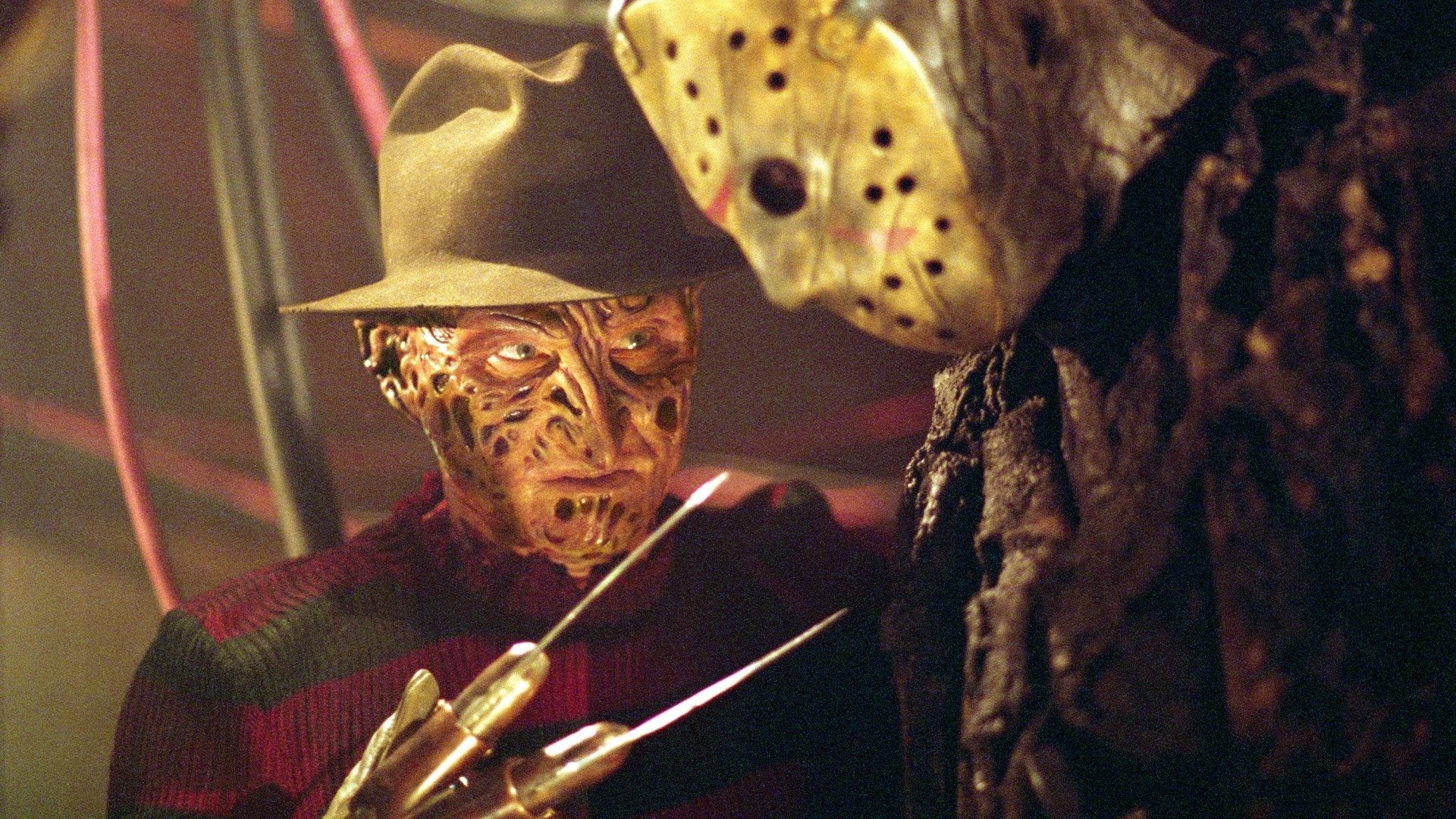
As a general rule, slasher movies aren’t especially good.
I say this as one of the genre’s most ardent admirers. I’ve seen every Nightmare on Elm Street, Friday the 13th, Halloween, Scream, and countless others, enjoying them on their own terms while recognizing their self-imposed limitations. Most slashers aren’t good movies in the traditional sense of the term because they aren’t meant to be good; they’re meant to be violent, titillating, and profitable — something they achieve with the kind of modest budgets that major studios have mostly forgotten how to utilize.
The genre itself is so far beyond its ‘80s heyday that it might as well be on life support. There hasn’t been a new Friday the 13th since 2009 or a Nightmare on Elm Street since 2010; Scream and Halloween have continued to produce worthwhile entries in recent years, but they’re the exception rather than the rule, with Child’s Play finding more success on TV than in theaters of late. And while there have been a few bright spots in recent years, namely Happy Death Day and Thanksgiving, none of them seem likely to ever reach the height of their genre forebears.
Despite the slasher being inherently nostalgic and backward-looking, though, it continues to march — or at least menacingly lurch — forward with a highly anticipated sequel this week.
Thirty years after A Nightmare on Elm Street creator Wes Craven went meta with the original Scream, the series, along with leading lady Neve Campbell, is back with Scream 7. I’ll share my thoughts on it in next week’s Epilogue column, but for now I wanted to take stock of the genre as a whole — not just to bemoan its reduced stature but to definitively answer a question I’ve been pondering for some time now: What is the best slasher franchise?
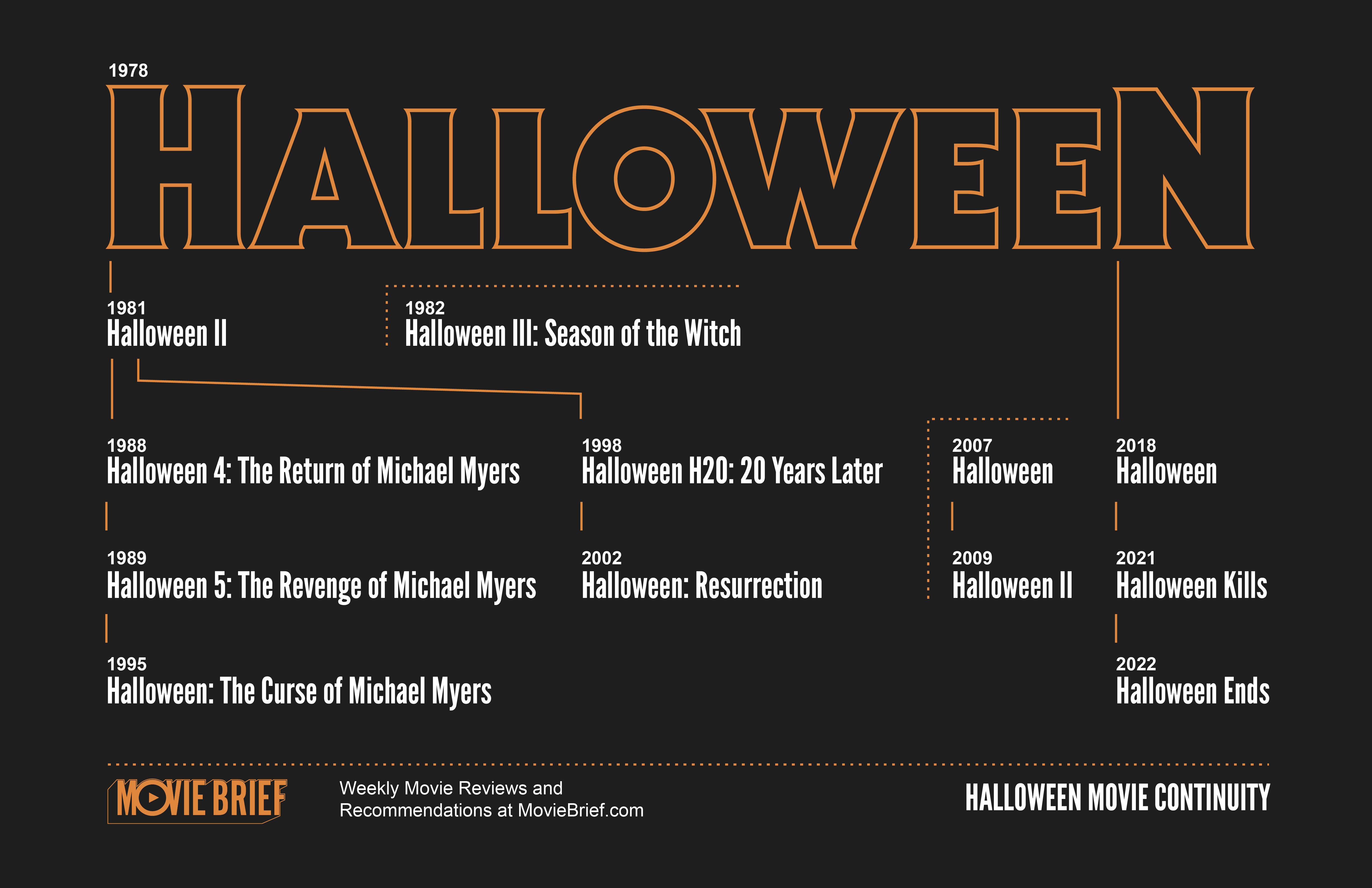
To do so, first we have to define what “best” means in this context. Do we judge a franchise by its peak — which, in almost every case, is the first movie — while forgiving the half-dozen sequels that provide increasingly diminishing returns? Or does consistency matter more? Few slasher series offer both quality and quantity, and some of them have such convoluted continuity that they require dedicated charts to keep track of:
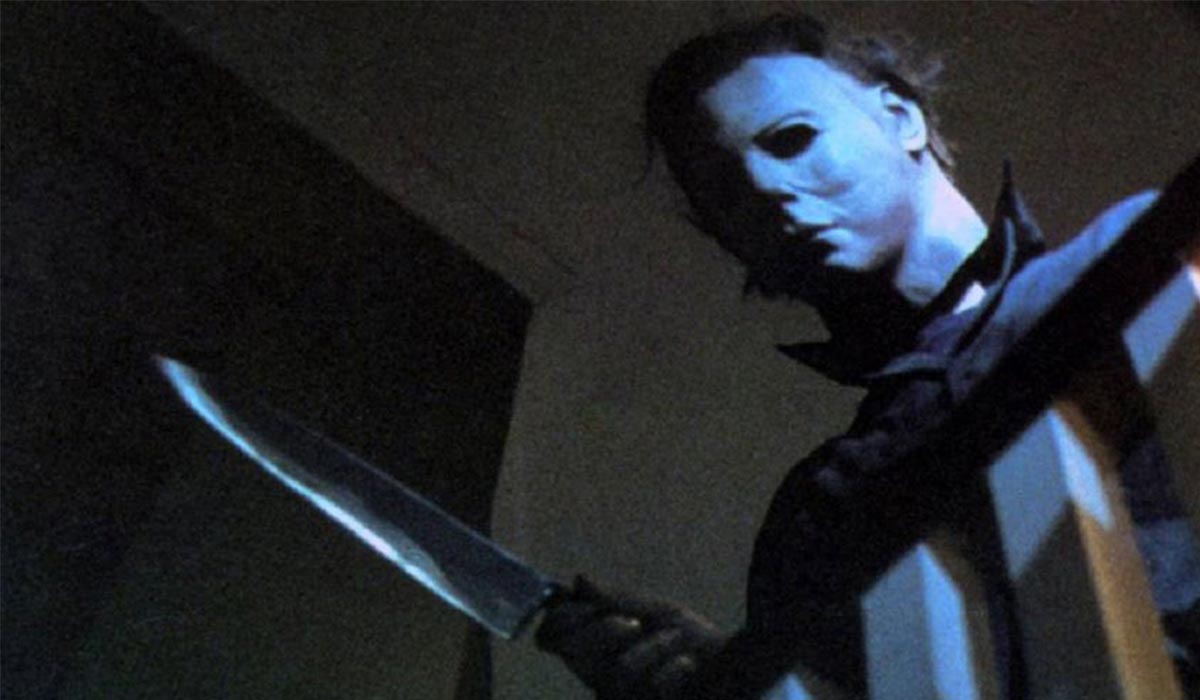
Slashers are also judged by the actual slashers, who have a habit of becoming the de facto protagonists — you probably can’t name a single one of the teens in Friday the 13th, but you know that the guy in the hockey mask is named Jason. Halloween and Scream get points here, as Jamie Lee Curtis’ Lori Strode and Neve Campbell’s Sidney Prescott anchor their respective franchises as much as Michael Myers and Ghostface do. It’s more difficult to make viewers care about victims and survivors than they do about the villains, but these two have never stopped trying.
All of which is a long prelude to introducing my vaguely scientific, wholly subjective metric for judging the six major slasher franchises: Child’s Play, Friday the 13th, Halloween, A Nightmare on Elm Street, Scream, and The Texas Chainsaw Massacre. I call it S.L.A.S.H.:
(S)lasher: How iconic is the actual killer?
(L)egacy: Do the sequels honor the original?
(A)pogee: At its absolute best, is the series truly great?
(S)lay: How memorable and/or creative are the kills?
(H)ero: Does the series have a worthwhile protagonist?
Each category is judged on a scale of 0 to 10, with a total of 50 points available. Given how many test-averse teenagers are in these movies, this system felt appropriate. Most franchises do poorly in the (L) category while excelling in (A) — great slashers are almost always victims of their own success, as studios will never be shy about extracting as much value as possible from them with little regard for quality.
Few slasher series offer both quality and quantity.
When it comes to the actual kills, quantity likewise tends to trump quality. Most slasher victims are merely, well, slashed, usually with a knife or other bladed weapon — it’s how Michael Myers, Chucky, and Jason dispatch most of the babysitters, camp counselors, and other unfortunate souls caught in their path. This is where A Nightmare on Elm Street shines, as Freddy’s signature power — invading his victims’ dreams and killing them in their sleep — lends itself toward any number of cleverly macabre sequences.
There’s the fountain of blood spraying the ceiling in the first movie, the recursion sequence in A Nightmare on Elm Street 4: The Dream Master, and any number of other strokes of bloody genius that make otherwise middling entries worthwhile. Between this and his catty one-liners, Freddy is also the genre’s most prominent example of a slasher becoming, if not quite the franchise’s protagonist, then certainly a kind of wise-cracking antihero whom audiences love to fear.
For my money, though, the two best deaths both belong to Jason. The first comes from Friday the 13th Part VIII: Jason Takes Manhattan, in which a would-be survivor who’s been trained as a boxer squared up to the masked psychopath and immediately has his head punched off. The second is from the underrated Jason X, in which he turns a sleeping bag into a lethal weapon. Are these funny rather than scary? Yes, but that’s part of every slasher’s arc.
I digress. Here are the results:
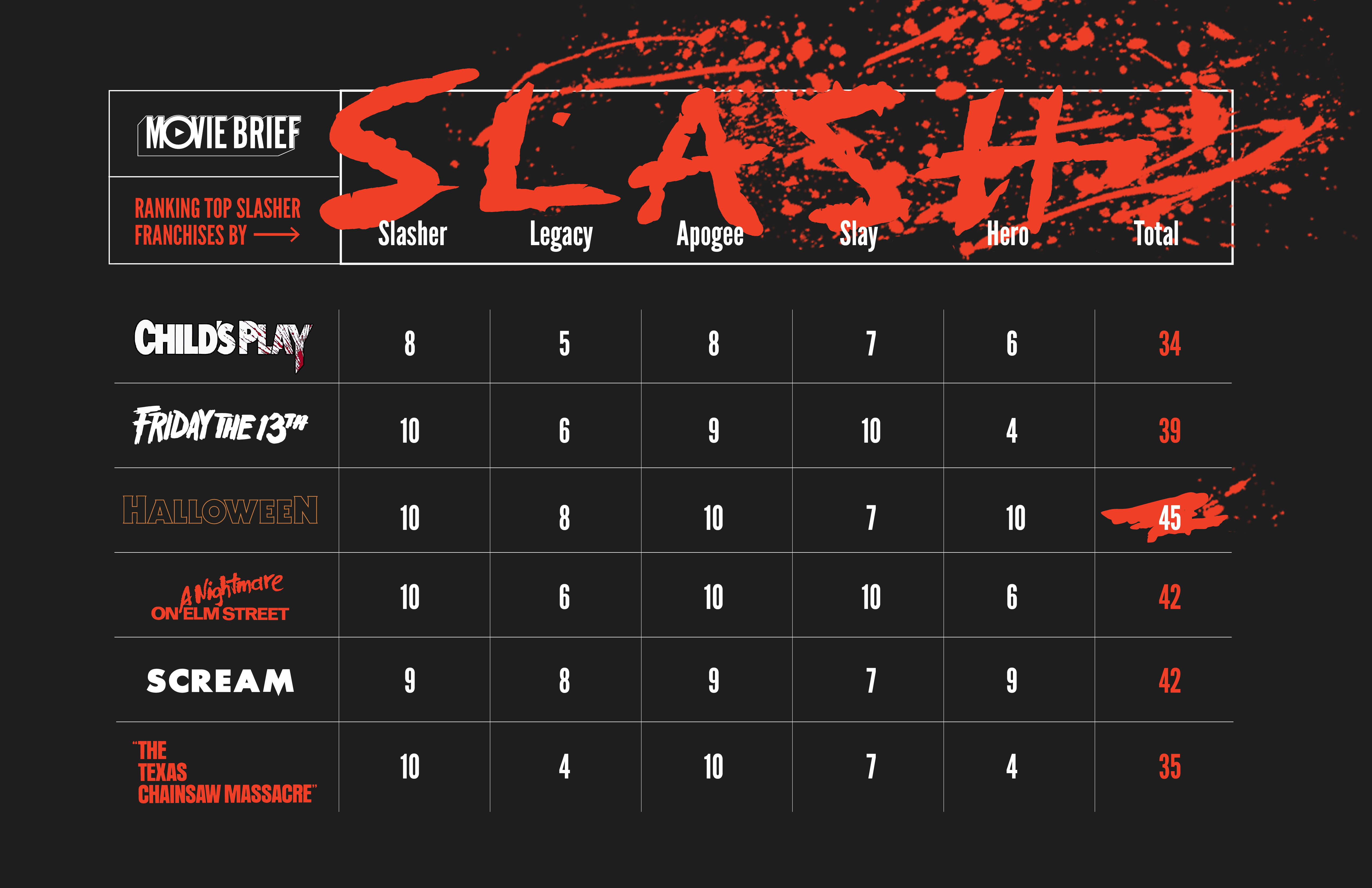
After Halloween Kills and Halloween Ends, it might be prudent to name the next sequel Halloween Wins. The franchise launched by John Carpenter’s enduring 1978 masterpiece received 45 points, followed by A Nightmare on Elm Street and Scream at 42 each, Friday the 13th with 39, The Texas Chainsaw Massacre with 35, and Child’s Play in last with 34. The house that Chucky built scored fairly low across the board for the simple reason that I’ve never much cared for either the character or the series as a whole, though it’s possible that’s because I was especially scared of him as a kid; only the Crypt Keeper and Leprechaun scared me more. I grew out of that fear by the time I got into slasher movies, though, and have never again found dolls (possessed or otherwise) to be frightening — sorry, Annabelle.
Halloween comes out on top by excelling in two metrics that most others struggled in: (L)egacy and (H)ero. Jamie Lee Curtis appears as Lori Strode in seven entries spread across more than 40 years, making her the genre’s most prolific — and consistently compelling — final girl. Only Scream compares in this regard, with Neve Campbell’s Sidney Prescott starring in six of the franchise’s seven installments. Notable but less enduring are Nancy Thompson, played by Heather Langenkamp in three Nightmare on Elm Street movies, and Andy Barclay, the pint-sized foil to Chucky in four Child’s Play films and the TV series based on them.
Then there’s Friday the 13th, which I’ve always had a soft spot for — Jason is to my mind the Platonic ideal of slashers, a machete-wielding automaton whose expressionless visage is as haunting as his leitmotif. Even when his movies are forgettable, Jason is memorable.
The Texas Chainsaw Massacre, meanwhile, represents the genre’s steepest fall from grace. You could argue, as many have, that the original is not only the best (proto) slasher movie ever made but the best horror movie, period; other than the dark comedy of its first sequel, however, every other movie featuring Leatherface has been dire even by slasher standards. In addition to helping to launch the genre, it also has the mixed blessing of exemplifying its best and worst traits all at once.
The genre’s future may be on the small screen. TV series based on Scream and Child’s Play have already come and gone in the last 10 years, while Halloween, The Texas Chainsaw Massacre, and Friday the 13th all have shows in one stage of development or another. (A Nightmare on Elm Street and Friday the 13th both spawned series in the ‘80s, neither of which had much to do with either Freddy or Jason.) I don’t know if they’ll be any good, but I do know I’ll be tuning in regardless.