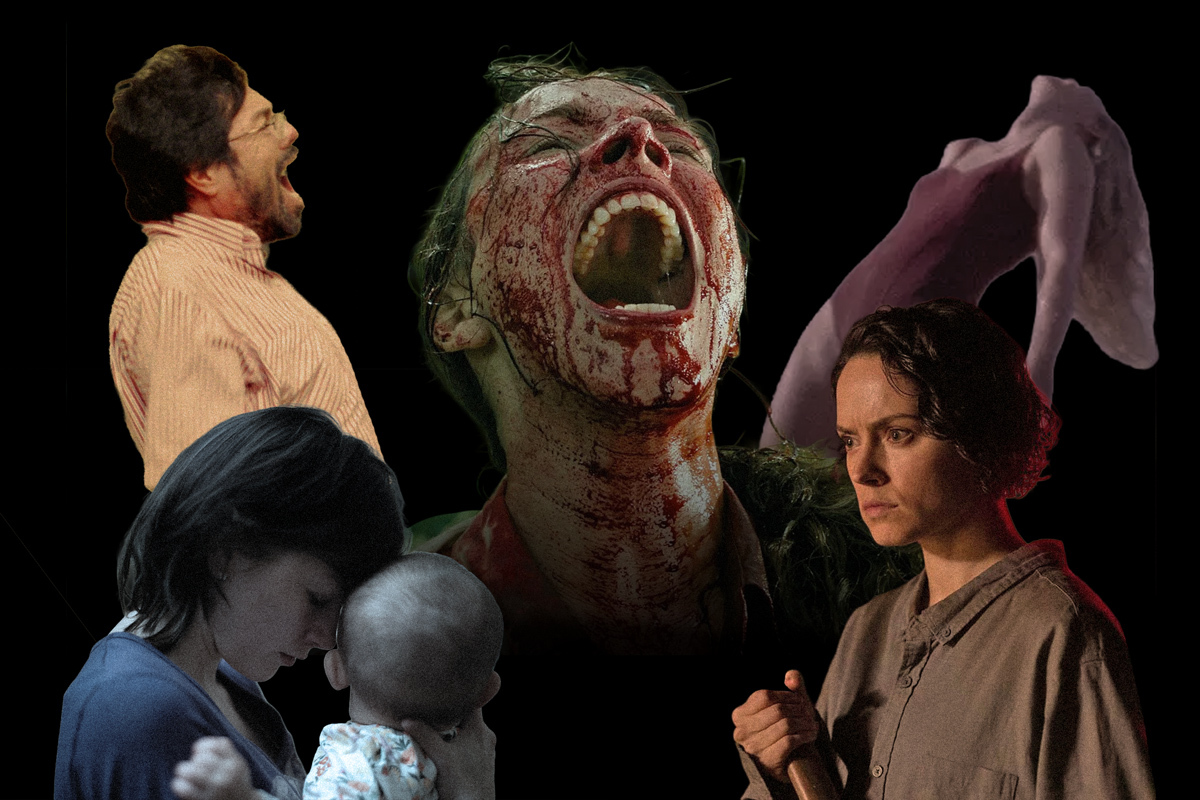
January at the multiplex is like last call at a dive bar.
Anyone still hanging around is a true devotee in it for pure love of the game, one that probably should have ended hours ago. Academy Award nominations are announced, studios’ least prestigious movies are dumped into theaters with little or no fanfare, and those of us who are quite happy in a movie, even a bad movie, have our work cut out for us. In other words: January is for the sickos, and far be it from us to complain.
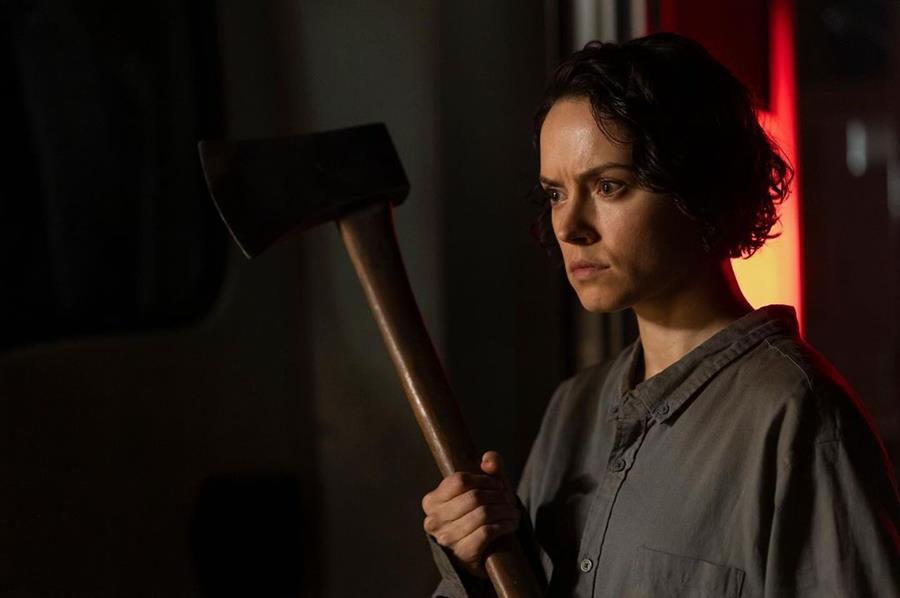
You’ve seen slow zombies, you’ve seen fast zombies, but have you ever seen…sad zombies? Half a million Australians are killed in an instant when an American nuclear test goes awry off the coast of Tasmania as director Zak Hilditch’s We Bury the Dead begins, only some of them don’t completely die. They instead become this movie’s version of zombies, which grow more animated and aggressive as time goes on. Somewhere in the carnage is the husband of Ava (Daisy Ridley), who had the misfortune of being on a work retreat in the area when said catastrophe befell our friends down under; she’s now joined up as a volunteer in the body-retrieval unit, which has been warned that some of the corpses they encounter might come “back online.”
There’s no rhyme or reason as to which of them do so, though one character muses that it’s those with unfinished business — so Casper logic, essentially. Thus begins Ava’s journey to the coast, where she’ll learn to be careful what she wishes for. We Bury the Dead might be the first zombie movie in which no living character is bitten by, and joins the ranks of, the undead; the movie itself, like its most unfortunate characters, is caught in an in-between state from which there’s no moving on. Though more dour than scary, the film does eventually find a sense of humor that adds some levity to the lividity.

Kristen Stewart continues to surprise. After coming to worldwide attention in Twilight, she’s largely shirked high-concept blockbuster fare in favor of smaller, director-driven projects, becoming the first American actress to win a César Award (for Clouds of Sils Maria) and earning an Oscar nomination (for Spencer) in the process. After working with some of the world’s most renowned directors, she seems to have decided that the next logical step was to become one herself. She’s attempted to do so in decidedly artful, even experimental fashion with The Chronology of Water, an adaptation of swimmer-turned-author Lidia Yuknavitch’s memoir of the same name.
It feels like both a compliment and criticism to say that Stewart does an excellent job of bringing Yuknavitch’s purple prose to the screen, with Imogen Poots, as the author, frequently narrating lines like “My bedroom holds the wet and the dark of my body” as she recalls her turbulent upbringing and eventual self-actualization. Of her abusive father, the less said the better; of her mother, Yuknavitch offers that she “almost loved her.” I almost loved The Chronology of Water, but I also almost hated it. Aggressively sexual and unabashedly feminine, its ornate aesthetics are initially eye-popping but gradually grow enervating. The two-hour runtime too often feels like being held underwater and waiting to come up for air.
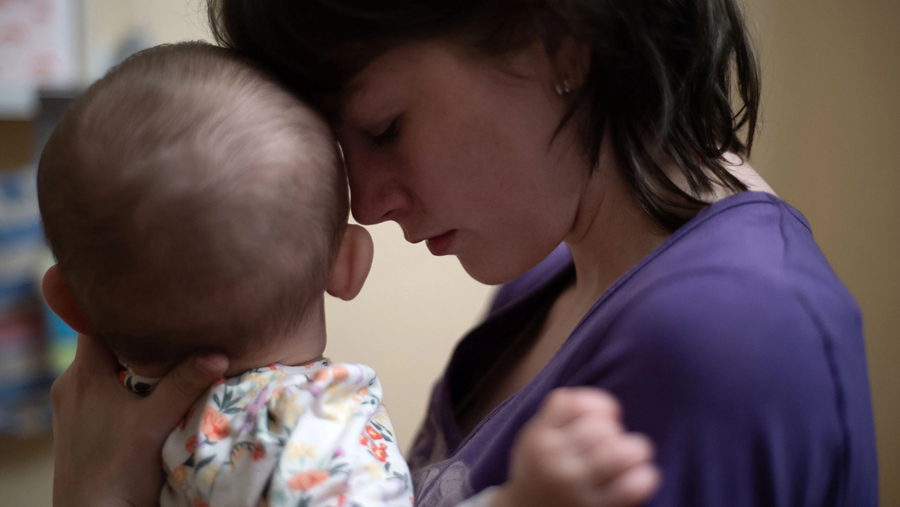
There are three certainties in life: death, taxes, and the Dardennes Brothers winning a prize at Cannes. Jean-Pierre and Luc might be the most beloved filmmakers in the festival’s history, having won the Palme d’Or for both Rosetta and L’Enfant in addition to the Grand Prix, Best Director, and Best Screenplay, which they’ve likewise taken home twice. They did so most recently with Young Mothers, which anyone familiar with the Belgian brothers’ work will be unsurprised to learn is another social-realist portrait of the downtrodden living on the fringes of Belgian society. In this case it’s five women — Jessica (Babette Verbeek), Perla (Lucie Laruelle), Julie (Elsa Houben), Naïma (Samia Hilmi), and Ariane (Janaïna Halloy Fokan) — at a home for, you guessed it, young mothers. Most of the fathers aren’t in the picture, and the few that are are woefully ill-suited to the task at hand; the Dardennes, as is their wont, extend nearly as much sympathy and understanding to them as they do to their overwhelmed heroines.
As they tour potential flats, reconcile relationships with their parents, and grapple with substance abuse, the mothers’ stories mostly run parallel rather than intersect. This gives the movie an episodic, vaguely disjointed feeling that might have felt more at home in a documentary. At its core, though, Young Mothers evinces the same sympathetic idea as all their best movies: just because you don’t always make good decisions doesn’t mean you don’t deserve to live a good life.
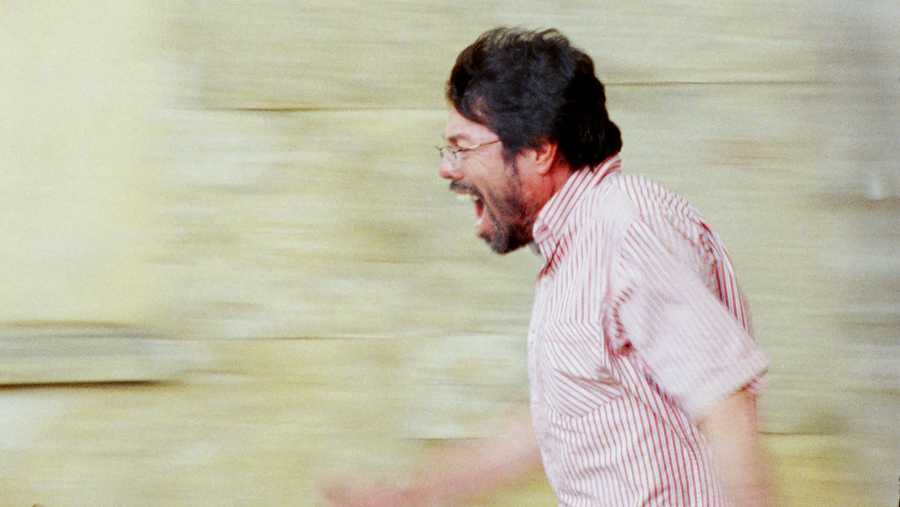
Prickly and pitiful, drunk and disenchanted, the title character in Simón Mesa Soto’s literary tragicomedy is a cinematic cousin to the would-be novelist played by Paul Giamatti in Sideways. Óscar Restrepo (Ubeimar Rios) has aspired to be a “vain and misfortune poet” since he was 15. Decades later, he has in many respects fulfilled that dream: He’s won awards for his writing, but hasn’t published anything new in years; most of his time is spent gazing longingly at his framed portrait of iconic Colombian poet José Asunción Silva and drunkenly wandering the streets of Medellín. He’s also estranged from his daughter (Allison Correa), from whom he asks to borrow $5 before offering to help pay her college tuition in the span of a single conversation.
Divided into four chapters — “Failure,” “Magnum Opus,” “Art Will Save Us,” and “A Happy Poem” — the consistently engaging A Poet follows Óscar as he attempts to inspire a love of the written word in a naturally gifted student and fashion her into a potential protégé. There’s just one problem: Yurlady (Rebeca Andrade) doesn’t care about poetry beyond its usefulness in expressing whatever she’s feeling at a given moment. None of Óscar’s various good deeds go unpunished, but Soto resists the urge to turn his protagonist into a mere punching bag. Rios, in his first-ever performance, is a dynamo as a man whose own energy has long since been sapped but who keeps trudging through the motions anyway — there’s always another poem to compose. Even so, he should have seen the writing on the wall when Yurlady responded to his soul-baring question with little more than a bemused stare: “Do you also live in profound sadness?”
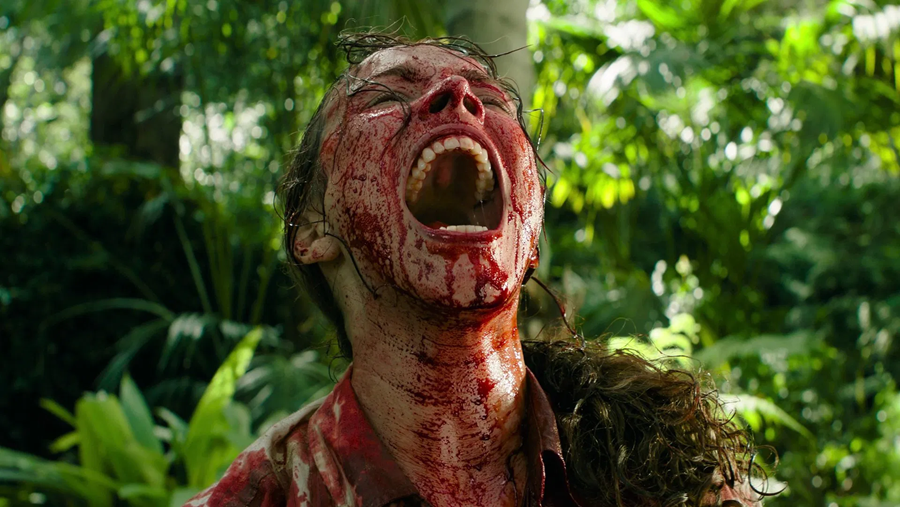
You’re reminded, at several points throughout Send Help, that it was directed by the same twisted filmmaker as the original Evil Dead trilogy. Blood spurts, eyeballs are gouged, and a good time is had by all — on this side of the screen, at least. Spider-Man director Sam Raimi’s latest exists somewhere between the two extremes of his most well-known projects, with an underdog protagonist on one end and abrupt bursts of gore-infused horror on the other. After being passed over for a promotion that was rightfully hers, mousy Linda Liddle (Rachel McAdams) accompanies her nepo-baby boss Bradley (Dylan O’Brien) on the corporate jet to close a merger in Bangkok. The plane never makes it there, and neither do Linda and Bradley — they crash-land on an uninhabited island somewhere in the Gulf of Thailand, the only survivors of an accident that killed everyone else onboard.
She’s a Survivor superfan, so there’s never any question of their bare necessities being met — or of her thriving in this new, savage environment that brings out the best, and worst, in both of them. McAdams goes full goblin mode in the most unhinged performance of her career (complimentary), while Raimi, working from a twisty script by longtime collaborators Mark Swift and Damian Shannon, turns in the Sam Raimi-est movie since 2009’s Drag Me to Hell. Like its heroine, Send Help changes course every time you think you have it figured out: Linda isn’t trapped on this island with Bradley; he’s trapped on it with her.