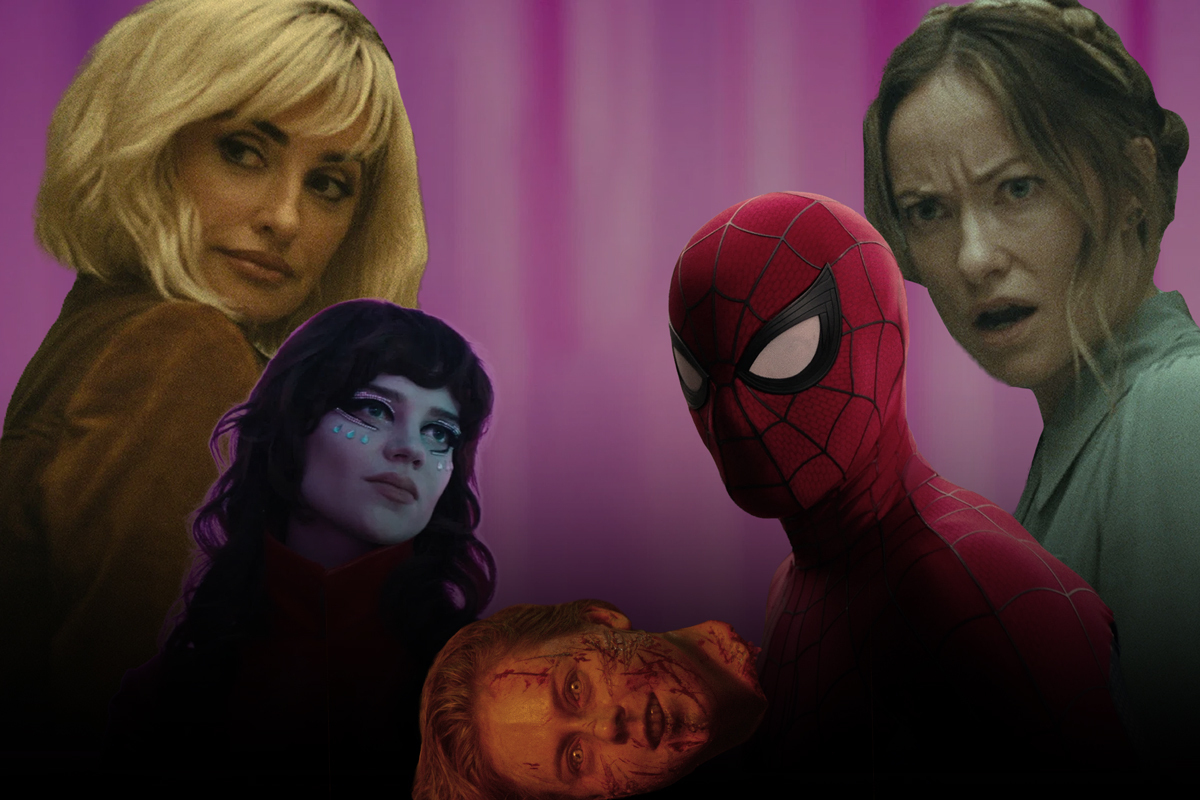
It was a big month for big movies and a small month for small movies.
This weekend was the highest-grossing in box-office history, with Spider-Man: Brand New Day and The Odyssey accounting for the vast majority of a historic $430 million haul. (One can only imagine how many moviegoers quoted Leslie Mann en route to the multiplex this weekend.) It was a relatively quiet July at the arthouse, meanwhile, but fret not: counterprogramming will surely follow as the fall festival season begins in earnest with Venice and Telluride in the coming weeks. Now that blockbuster season has peaked, it’s time to start thinking of the season in retrospect rather than anticipating what it has in store for us next.
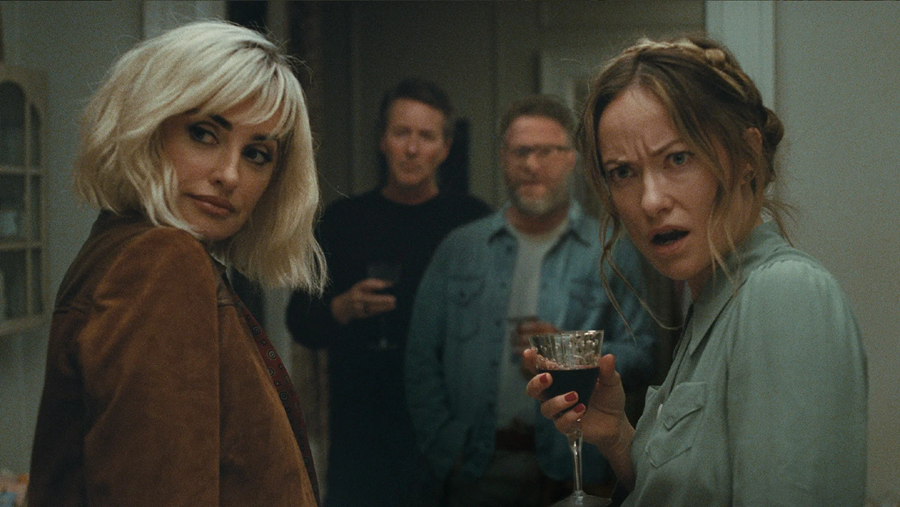
Don’t worry, darling — Olivie Wilde’s new movie is a lot better than her last one. Beginning with an epigraph from the writer who inspired her professional surname — “one must always be in love; that is the reason one must never marry” — the Booksmart and Don’t Worry Darling director improves upon and expands her filmmaking sensibility with a smart, wry relationship drama that’s as funny as it is insightful. The central quartet — Wilde and Seth Rogen as an on-the-rocks married couple and Penélope Cruz and Edward Norton as the liberated upstairs neighbors they invite to dinner — are excellent, as is the script from Will McCormack and Rashida Jones, an adaptation of the Spanish film The People Upstairs.
Unlike a lot of movies that unfold largely in real time in a single setting, The Invite is anything but stilted. Every scene abounds in tension, much of it sexual, as the characters verbally spar and alliances shift. “I just wanted to have a nice night,” Wilde says as she and Rogen argue over whether to even go through with the evening in the first place; she doesn’t get that, but she — and viewers — get something better: an interesting one.
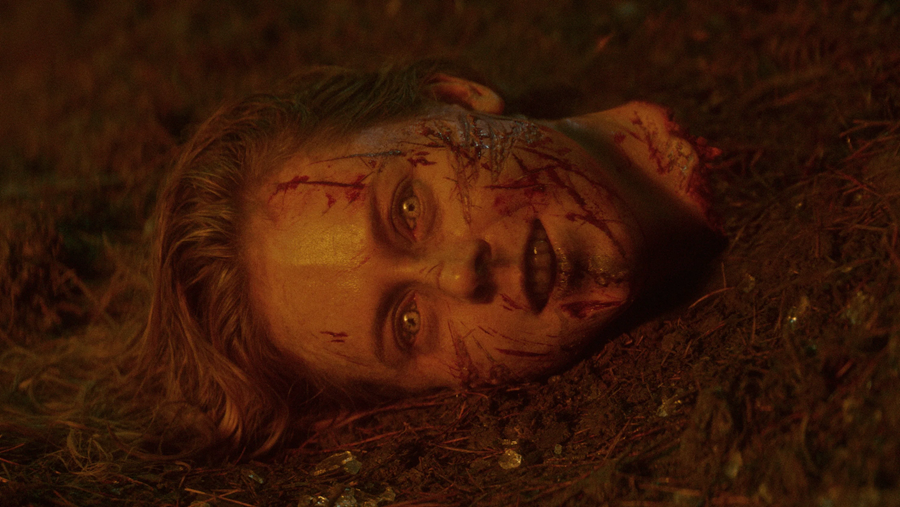
Fittingly for a series centered around the book of the dead, Evil Dead refuses to die. But just because these movies abound in rotting corpses doesn’t mean the franchise should become one itself. More unpleasant than unsettling, co-writer/director Sébastien Vaniček’s contribution to the mythos follows Alice (Souheila Yacoub) as she deals with the aftermath of her husband’s death and subsequent possession by the Deadites — malevolent demons who delight in chthonic torment and gallows humor. They’re only half the problem, however, as Alice’s in-laws prove just as objectionable as the undead.
Series progenitor Sam Raimi would surely approve of the heapings of gore on display in Burn, but this is Evil Dead in name only without him on side of the camera and/or a boomstick-wielding Bruce Campbell on the other — the kind of endeavor that makes you wonder what exactly we’re all doing here other than extracting every last bit of value from a familiar name. That’s true of every past-its-expiration-date horror franchise, to be sure, but most of them didn’t start out as triumphs of independent filmmaking before devolving into soulless intellectual property.
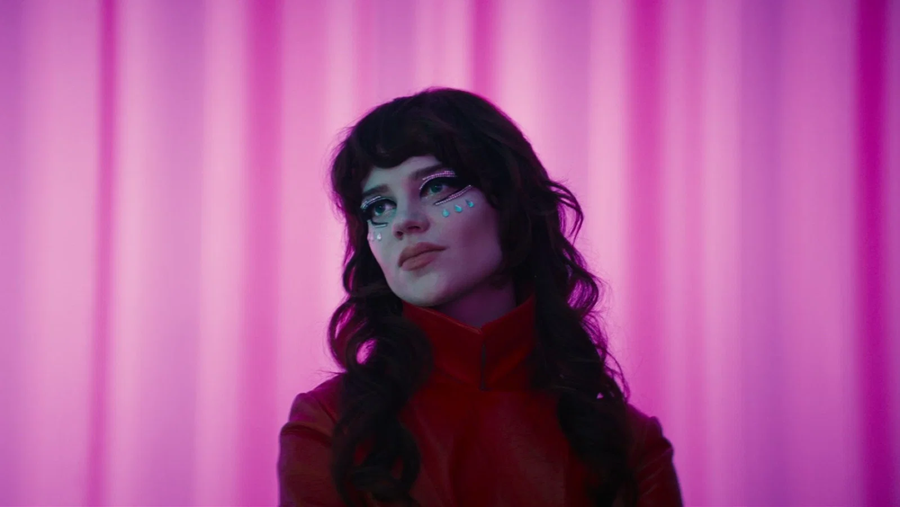
Aestheticized ultraviolence, bisexual lighting, and a taciturn protagonist who’s little more than a beautiful cipher? Her Private Hell is a Nicolas Winding Refn movie, all right, but that distinction means less today than it did when he made one of the 21st century’s greatest films: Drive. It’s as though the Danish provocateur meant for his latest to be projected on a runway rather than a movie theater — chic and vaguely avant-garde, it's like a feature-length fragrance commercial with a serial-killer subplot thrown in for the requisite shock value.
To describe any of the characters in depth would be to expend nearly as much effort as Refn did in writing them. Elle (Sophie Thatcher) lives in the Tower Hotel, a skyscraper whose upper levels sit comfortably above the mist — a ubiquitous, presumably metaphorical dispersion of not only water droplets but, we’re made to vaguely understand, something more sinister as well. Her Private Hell is intentionally cold in a way that creates distance — narrative, emotional — between us and the film itself, space presumably intended for us to ponder the film’s Very Interesting Ideas. Some might, but most will simply use it as an opportunity to space out. Refn draws even more attention to his latest creation’s artifice than its predecessors, the main effect of which is that it…feels particularly artificial. Mission accomplished?
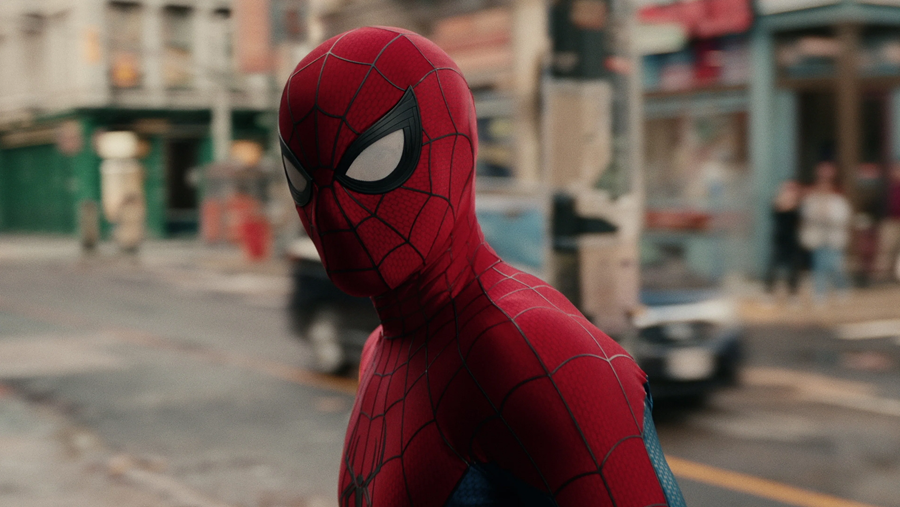
Spider-Man isn’t the most powerful superhero, but he is the most likable. It’s right there in the “friendly neighborhood” part of his moniker, and for more than half a century Peter Parker has endeared himself to audiences by demonstrating that saving a grandmother from being mugged in Queens can be just as compelling as Superman saving the world. That’s at odds with Marvel’s ambition to create an ever-expanding universe, but Tom Holland’s boyish charm has largely kept his iteration of the character rooted and relatable. That continues to be the case in Brand New Day, even if it should be considered false advertising to call anything new in a superhero movie these days.
Spidey’s latest adventure finds him grappling with the loneliness that results from his selfless decision to wipe himself from the memories of his girlfriend (Zendaya) and bestie (Jacob Batalon) to protect them from his enemies, the latest of whom has the ability to possess anyone they want — including and especially those remaining loved ones. (The identity of said baddie both will and won’t be a surprise; suffice it to say that their powers are far greater than Spider-Man’s but they’ve yet to learn how to wield them responsibly.) It’s exceedingly unlikely that the series will ever again reach the high-water mark of Sam Raimi’s Spider-Man 2, but the fact that it still hasn’t worn out its welcome is an achievement in and of itself.