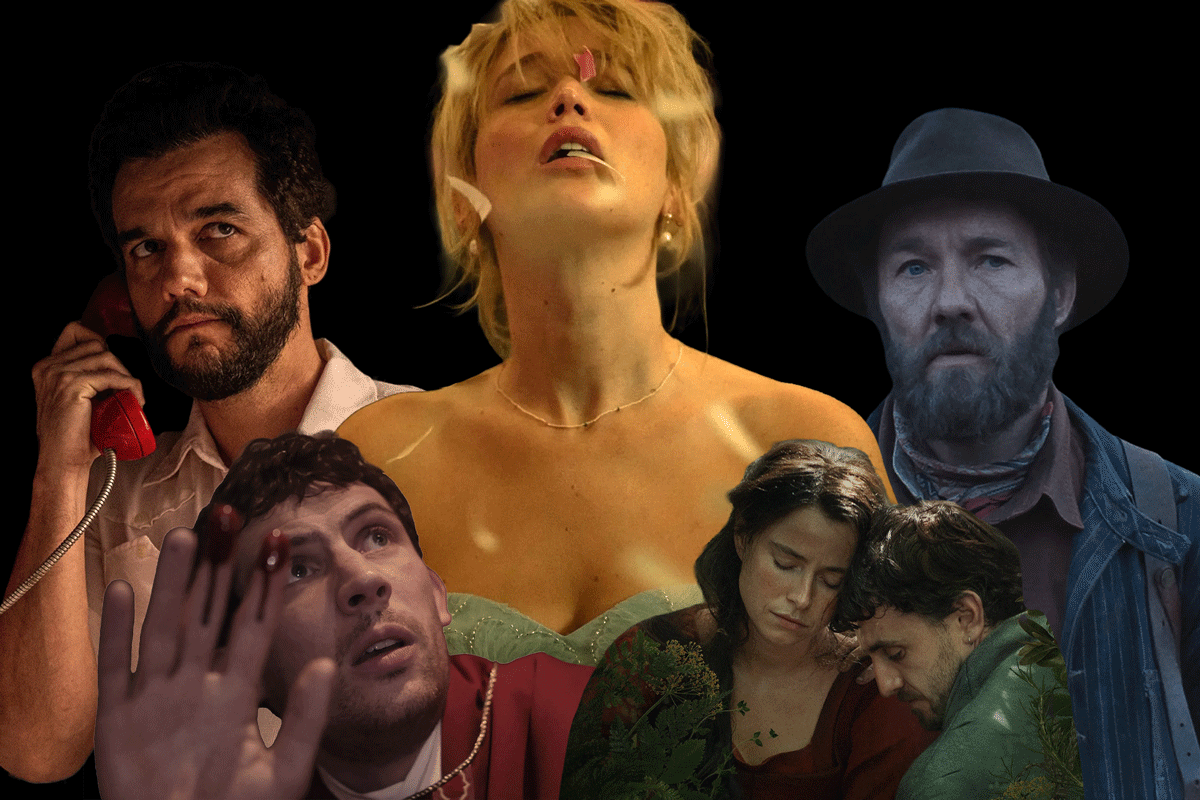
The rest is silence.
There was a lot to be thankful for at the movies this month, with the end-of-year deluge of prestige pictures and preordained awards contenders providing more hits than misses. As I prepare for this weekend’s LAFCA vote and work on my own list of 2025’s best movies, it seems to me that November may have been the best month of the year — onscreen, at least.
Also, some news: Movie Brief is finally on Instagram. Smash that follow button, as the kids say, and bring an end to the days when you were only able to enjoy your favorite movie-review newsletter via email.
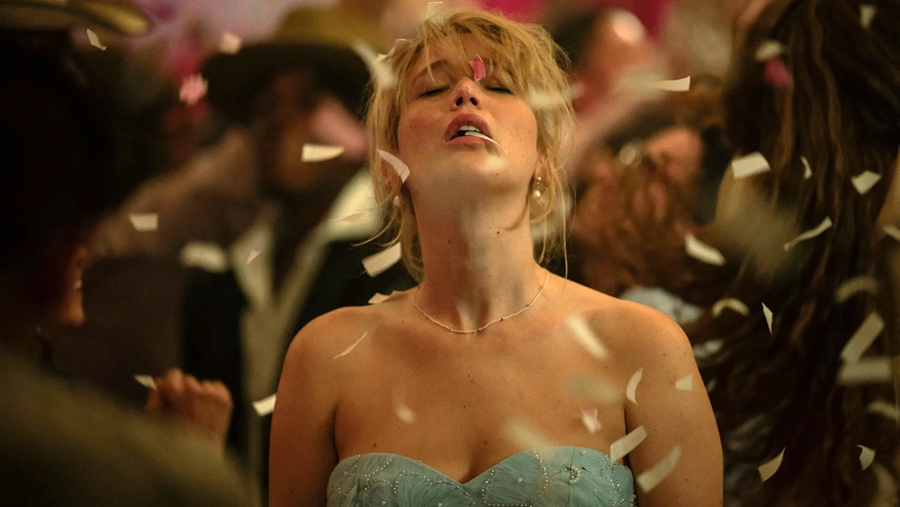
Does being a bad time preclude Die My Love from being a good movie? Like the novel by Argentine author Ariana Harwicz on which it’s based, Lynne Ramsay’s adaptation mirrors the fragile mental state of its heroine as she suffers the debilitating effects of postpartum depression. From the first line of the book — “I lay back in the grass among fallen trees and the sun on my palm felt like a knife I could use to bleed myself dry with one swift cut to the jugular” — it’s clear that Grace is hanging on by a thread and that she might prefer it to be cut. Jennifer Lawrence embodies that pain with a strange kind of beauty, a trait shared by the film as a whole: “A thing you love is suffering,” she tells her husband Jackson (Robert Pattinson) one night. Though ostensibly speaking about the whimpering dog whose suffering she wants to end with the business end of a rifle, she’s clearly referring to herself.
You get the sense that Grace, who says she’s “stuck between wanting to do something and not wanting to do anything at all” (relatable), was a lot to deal with even before her current crisis. There’s a way to be exasperating while still being compelling, a needle Die My Love threads more often than not — a testament not only to the two leads’ electric performances but also to the direction of Ramsay, a decidedly un-prolific filmmaker whose movies always offer more than surface tension.
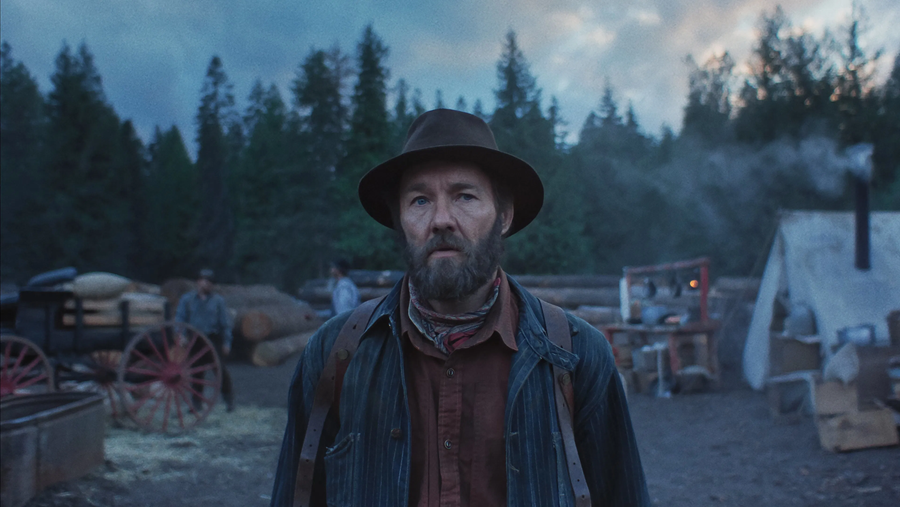
Dead trees are as important to the forest as living ones, a lesson Robert Grainier (a career-best Joel Edgerton) learns the hard way in this adaptation of Denis Johnson’s brief novella about a long life. “Though he didn’t know it then,” the narrator (Will Patton) intones before a conflagration changes our taciturn hero’s life forever, “he would always look back on this time in his life as the happiest.” Set in Idaho circa the early 20th century, Clint Bentley’s evocative mood piece seamlessly blends the idyllic and the morbid. Robert is convinced that death has been following him throughout his life, or at least since the day a Chinese logger he was working alongside was thrown off a bridge by a mob of fellow workers for reasons unknown; after seeing what happens to him throughout the film, you might be inclined to agree.
One day a stranger wanders into the camp where Robert is working for the season, shoots the man whom he claims killed his brother decades earlier, and apologizes for interrupting the loggers’ work as he leaves. Not long after, a widowmaker branch falls on Robert’s only friend and kills him. After an acquaintance drops dead of an undiagnosed heart condition, the narrator notes that the man would have been fine had he only been born a generation later. Robert, meanwhile, feels like the product of an older, weirder America, the kind glimpsed in Days of Heaven and now reduced — or, in the case of a movie like this, elevated — to the status of myth.
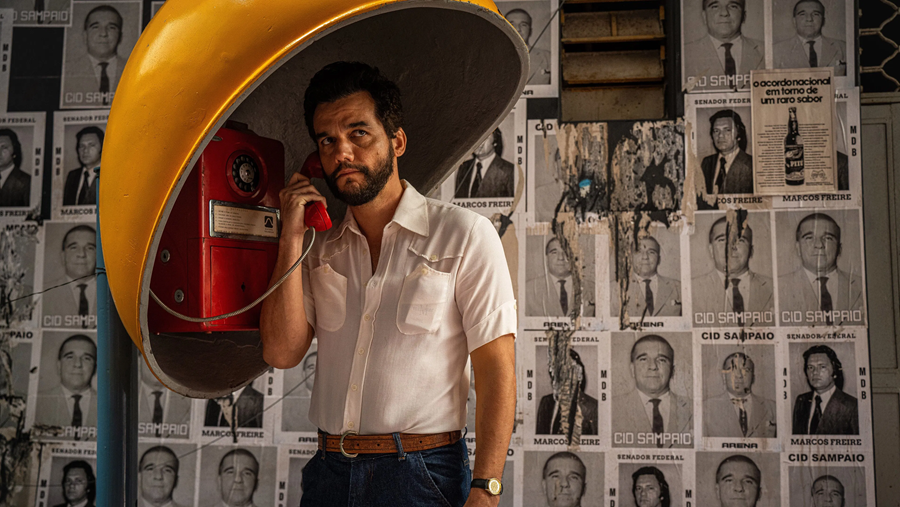
A title card introduces The Secret Agent as taking place during “a period of great mischief,” namely 1977 Brazil. That’s an admittedly understated description of a country living under a brutal dictatorship, but one befitting the oddly playful tone of Kleber Mendonça Filho’s latest reflection on his homeland. The film won both Best Director and Best Actor at Cannes, with Wagner Moura claiming the latter prize for his charismatic turn as the eponymous dissident, a former teacher hiding out in his hometown of Recife after running afoul of the authoritarian regime. Awaiting — and, in some cases, chasing — him there is all manner of danger, but also an abundance of oddball happenings that add levity and even a certain gonzo charm to the proceedings. (You will quite literally never guess where a subplot involving a severed leg found inside of a shark is headed.)
It was already clear from last year’s documentary Pictures of Ghosts that cinema informs every aspect of Filho’s worldview, but it’s even more effectively rendered here by constant references to movie theaters in general and Jaws in particular. (He did begin his career as a critic, after all.) Marcelo’s son desperately wants to see the genre-defining blockbuster — which, probably not coincidentally, came out when Mendonça was nine — but his grandfather worries it will give him nightmares. The precocious boy’s response? “I already have nightmares.”

Benoit Blanc is relegated to a sidekick in his own whodunnit in Wake Up Dead Man, the third — and, by a considerable margin, worst — entry in the Knives Out series. Daniel Craig’s preternaturally skilled detective is barely onscreen for the first 30 minutes or so, during which time a boxer-turned-priest (Josh O’Connor, ubiquitous in the year of our lord 2025) recounts how he came to be the prime suspect in the murder of his superior, the uniquely vile Monsignor Jefferson Wicks (Josh Brolin). Also under suspicion are the rest of his flock: devout Martha (Glenn Close), groundskeeper Samson (Thomas Haden Church), sci-fi author Lee Ross (Andrew Scott), Doctor Nat Sharp (Jeremy Renner), local attorney Vera Draven (Kerry Washington), her adoptive brother Cy (Daryl McCormack), and disabled cellist Simone (Cailee Spaeny).
Like its predecessors, Wake Up Dead Man clearly doesn’t want for star power. What it does lack is much of a reason to get caught up in the twisty plotting of writer/director Rian Johnson’s latest yarn, which is too clever by half and never picks up as much narrative momentum as the original Knives Out or its sequel Glass Onion. By the time it fully unfurls, the red herrings and false starts along the way will have so numbed you to the effects of Blanc’s grand monologue about what actually happened that you’ll mostly be wondering why he didn’t deliver it 20 minutes sooner.
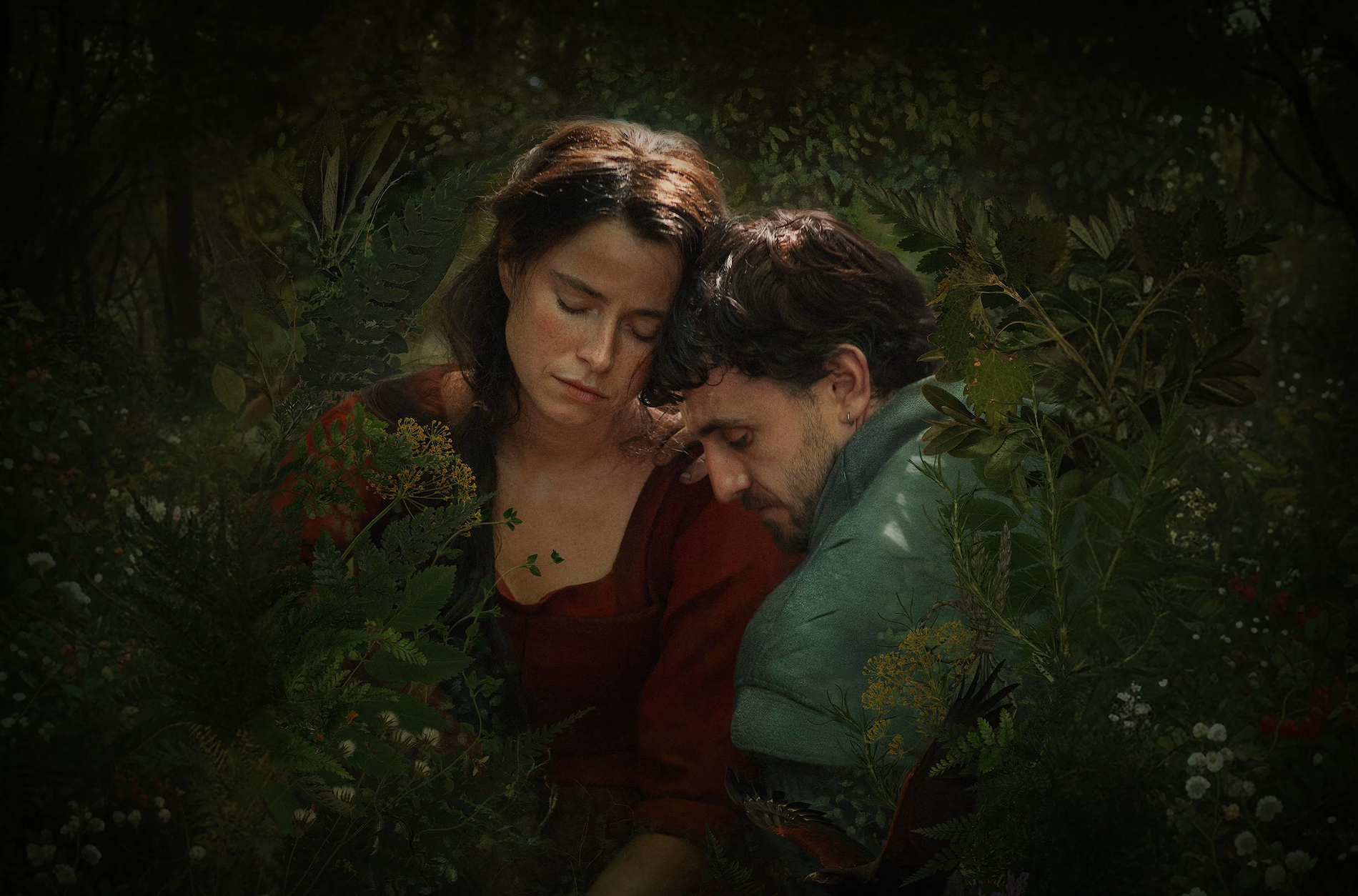
There’s a scene late in Hamnet that seems fated to be the defining cinematic moment of the year. After watching it more than once and spending no small amount of time pondering it, I’m still not sure whether or not that’s a good thing. The sequence, which involves the first production of Hamlet vis-à-vis a mother’s overwhelming grief, is raw, visceral, and undeniably powerful. It’s also a little contrived, the kind of emotional climax that feels increasingly ersatz and even manipulative once feeling gives way to thinking. How you react to the scene will almost certainly determine how you feel about Chloé Zhao’s new film, which has emerged as one of the year’s most critically acclaimed and a leading Oscar contender.
It won’t be Zhao’s first time at the ceremony. She won Best Director for Nomadland before embarking on an ill-fated detour to the world of Marvel with Eternals, whose disappointing reception marked a before-and-after moment for the once-invincible franchise. Her adaptation of Maggie O'Farrell’s novel, which contends that Shakespeare (Paul Mescal) wrote Hamlet as a means of coping with the tragic, untimely death of his young son Hamnet (Jacobi Jupe), is a return to prestige-picture form for an eclectic filmmaker whose talent almost feels preternatural. It’s also yet another showcase for the brilliant Jessie Buckley, whose turn as Agnes Shakespeare is her most moving yet. “The women in my family see things that other women don’t,” the witchy mother says early on. If you emerge from Hamnet similarly conflicted, you might have to seek one of those women out to clarify your own feelings.