Issue
70
Rosemead
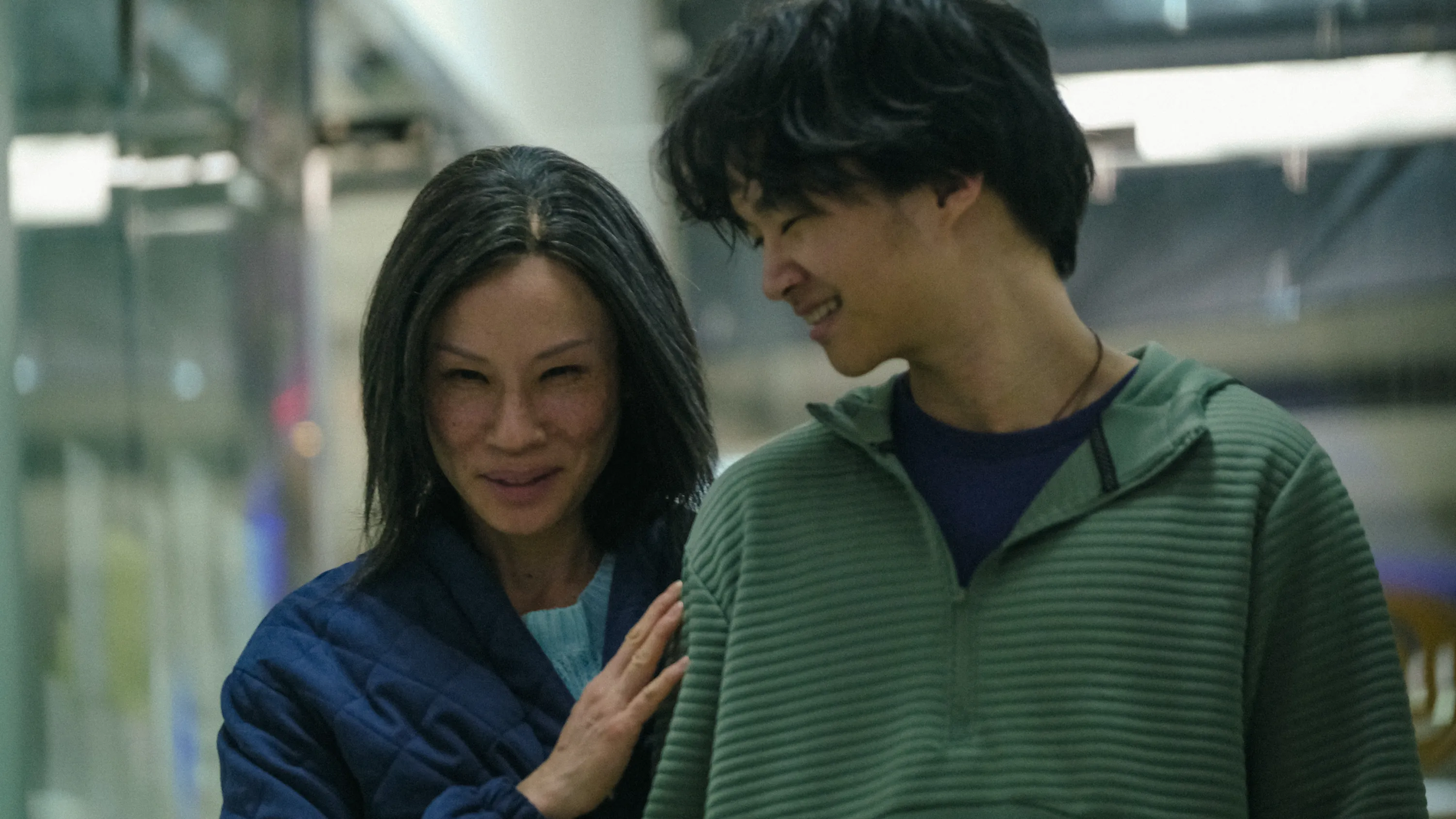
- Director:Eric Lin|
- Screenwriter:Marilyn Fu, Eric Lin|
- Distributor:Vertical|
- Year:2025
Has 2025 secretly been the year of Lucy Liu all along?
Following her nuanced turn in Steven Soderbergh’s inverted ghost story Presence earlier this year, she now has two movies in theaters at once: the unabridged Kill Bill: The Whole Bloody Affair and Rosemead, in which she delivers the performance of her career as an ailing mother facing an impossible choice. Liu leads Eric Lin’s understated character study as Irene Chao, a widow raising a son with schizophrenia while concealing an even more serious condition of her own. If that sounds like a lot, well, it’s also the latest reminder that truth is indeed stranger than fiction — Rosemead is based on a tragic true story that took place 10 years ago.
Names and other key details have been changed, but not the spirit of what happened — or the setting. Rosemead is named after the city where all of this unfolded, a part of the San Gabriel Valley in Los Angeles known for its Asian-American population in general and its Chinese enclaves in particular. Irene and her family made their home here, but the foundation is proving shaky at best. Mental health isn’t discussed openly in her community, meaning she has no one she can confide in.
At least her son Joe (Lawrence Shou) does. We first meet him on the way to his latest therapy session, after which Irene brushes off his doctor’s concerns about managing the boy’s schizophrenia as he nears his 18th birthday. “Just because you have a Chinese face,” she tells the therapist, doesn’t mean he understands their plight. We soon learn via a phone call to her own doctor that she isn’t neglectful so much as overwhelmed: Irene has cancer, a condition she’s been keeping from her son lest she burden him further. Fewer than 20% of patients in her clinical trial have seen favorable outcomes, but she’s doing her utmost to keep the implications of her illness at the back of her mind as she focuses on more pressing matters.
Her son’s mind, meanwhile, is scattered and increasingly fraught. “We don’t need to think about those things,” she says one morning as she turns off a radio report about the latest mass shooting. That’s easier said than done for Joe, especially as his behavior grows more erratic, his fascinations more violent, and his episodes more severe. His browser history is troubling enough — articles about school shooters, websites devoted to guns — and his social media posts are even worse: “Their pills dull my vigilance,” he writes on one after deciding to go off his meds. “No more!”
Not that there aren’t moments of respite. After he panics during an active-shooter drill, Joe’s two closest friends ask him what’s going on. He doesn’t go into details, but he does share how he’s feeling —“it’s just, like, sometimes all the bullshit gets to me, you know?” — and is stunned by their response: understanding. One of them says he copes with his own feelings by eating an entire pizza, while the other goes to the pet store and plays with snakes. Joe’s issues are considerably more severe, but the relief he feels is palpable nevertheless — a small moment of grace in a movie whose characters desperately need it.
“We don’t need to think about those things.”
Lin, a cinematographer making his directorial debut, can’t avoid every cliche associated with the genre. You might feel a tinge of familiarity when Joe’s disturbing drawings are discovered by his teacher and then shared with his mother, just as you might feel confident, after 30 minutes or so, that you know where Rosemead is going. Unless you’re familiar with the tragic events that inspired the film, however, its ultimate trajectory will shock you anew.
If three makes a trend, then Liu’s resurgence deserves to be thought of alongside those of Demi Moore and Pamela Anderson for the way she’s reshaped and expanded the public’s understanding of her abilities. Like a lot of actresses of her generation, the issue has never been a lack of talent so much as a lack of opportunities to showcase it. Liu has rightly been called a trailblazer for decades, and yet this feels like the first time she’s truly gotten to display the full range of her abilities. She’s heartbreakingly good, making Irene feel so real you could touch her but so emotionally distant she’s unreachable. It’s unbelievable yet somehow true that this is Liu’s first leading role in a drama; let’s hope it’s not the last.