Issue
114
Possible Love

- Director:Lee Chang-dong|
- Screenwriter:Lee Chang-dong, Oh Jung-mi|
- Distributor:Netflix|
- Year:2026
The films of Lee Chang-dong don’t announce themselves loudly, but they do linger.
Scenes that feel small in the moment loom large in your memory after the credits roll, like those novelty sponge toys that slowly expand after being doused with water, and it’s only once you’ve had time to process what you’ve just seen that its full weight becomes evident. Beginning with the briefest of epigraphs (“Thou shalt not covet”) and ending with a dedication to Dekalog 10, the final installment in Krzysztof Kieślowski’s legendary series of hourlong films based on the 10 Commandments, Possible Love is another quietly stunning effort from a filmmaker who seems incapable of making anything less.
A story of the haves and have-nots, Lee’s latest focuses on two married couples in the aftermath of mass layoffs at an industrial plant: factory worker Mi-ok (Jeon Do-yeon) and her now unemployed husband Ho-seok (Sul Kyung-gu) on one side of the economic spectrum, documentarian Ye-ji (Cho Yeo-jeong) and independently wealthy Sang-woo (Zo In-sung) on the other. Their paths converge when Ye-ji decides her next project should be about labor issues, a subject apparently near and dear to her heart despite clearly having no experience with it — in one scene, she’s even chided for donning ostentatiously expensive outfits while interviewing laid-off workers. “I’m trying to love those people,” she tells her husband later, but is she succeeding?
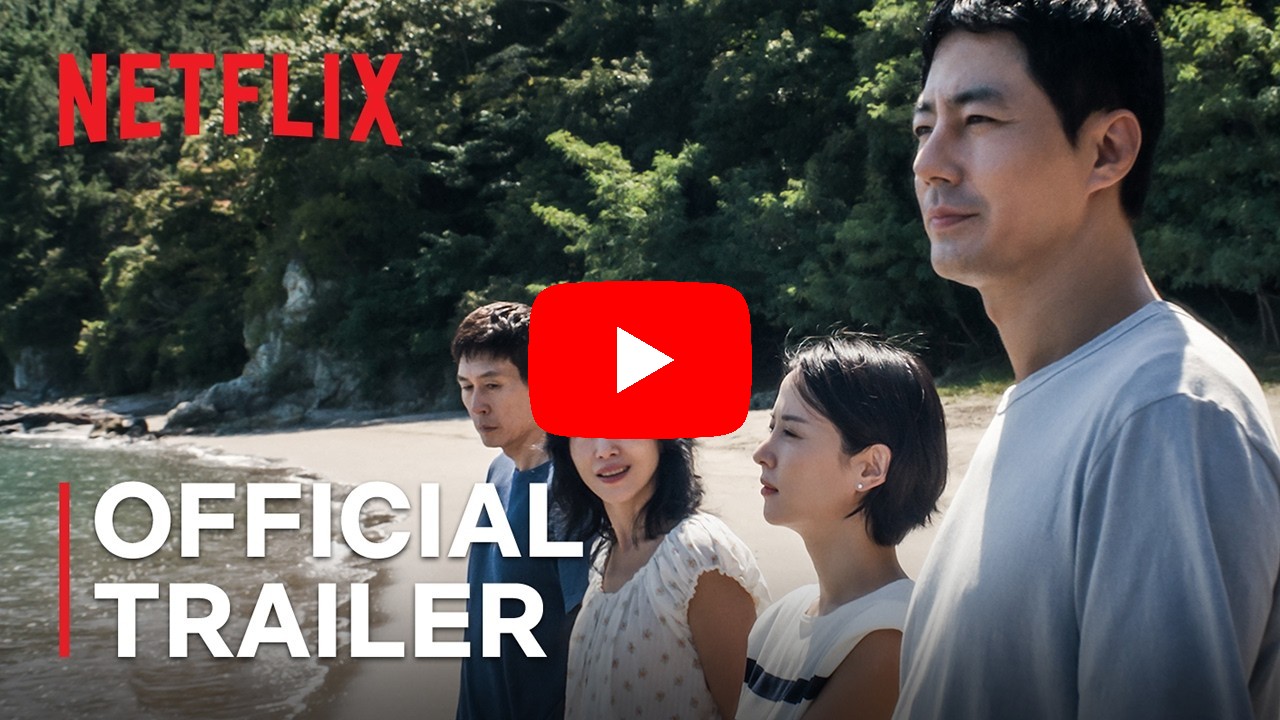
All four actors are exceptional in roles that require them to subtly and constantly shift the quartet’s power dynamics, not that this should surprise anyone familiar with their work. Jeon remains best known internationally for her devastating performance in Lee’s Secret Sunshine, which won her Best Actress laurels at the 2007 Cannes Film Festival, while Sul previously worked with Lee on both Peppermint Candy and Oasis; Cho will be most familiar for her work in Parasite, and Zo most recently starred in the enjoyably outré Hope. Jeon is equally powerful here as she was in Secret Sunshine despite working in a more muted emotional register, with Mi-ok doing her utmost to keep her family afloat as Ho-seok struggles to keep his head above water.
A master among masters, Lee is far from prolific. This is his first film since Burning, the best film of 2019, which was itself preceded by 2010’s Poetry, and only his seventh overall. Each of these efforts has proven worth the wait, and Possible Love is no exception. In addition to winning the Grand Jury Prize at this year’s Venice Film Festival, it’s been chosen as South Korea’s Oscar submission — accolades that will hopefully boost its viewership when it begins streaming on Netflix next week after an all-too-brief theatrical run. Even ostensibly “small” movies like this are best seen on the biggest screen possible, but it’s hard to complain about the new film from a criminally underseen filmmaker being available in tens of millions of living rooms.
That’s especially true given its similarities to the undisputed movie of the moment. Park Chan-wook’s No Other Choice would appear to be the obvious point of comparison, as it too dealt with the plight of the economic woes facing working-class Koreans, but Possible Love ultimately has a surprising amount in common with You Can See Everything: not only the uncomfortably close relationship that can develop between documentarians and their subjects but a particular emphasis on money’s unique ability to divide people. “What’s an independent film independent from?” Mi-ok asks when she learns that Ye-ji’s project is an independent one; money, Sang-woo responds.
Possible Love is another quietly stunning effort from a filmmaker who seems incapable of making anything less.
You lose more than just financial stability when you lose a job, of course. Ho-seok has come fully untethered and lost his sense of self since being laid off two years ago, yet he bristles at his wife’s suggestion that he joins the group-therapy sessions that other former employees of the company have turned to for support. This makes him a distant husband and father, but Ye-ji believes it also makes him the ideal protagonist of her film: the more he holds back from his loved ones, she silently calculates, the more she can get him to reveal on camera. She isn’t wrong: one of Possible Love’s most overtly emotional scenes comes when Ho-seok finally agrees to be interviewed and becomes so distraught that Ye-ji seems to finally understand why the employees who survived the layoffs and those who didn’t are now referred to as the living and the dead, respectively.
Whether this blend of the personal and the professional makes for an ethical approach to making a documentary doesn’t seem to occur to her — though she does have genuine affection for the two of them, she considers them subjects first, friends second. By the time Mi-ok and Ho-seok realize this, Lee has already made an even more profound statement on two different forms of freedom: the kind that comes from having money and the kind that comes from having a clean conscience. You can have one, Possible Love suggests, but you can’t have both.